

- Written by: joley
- 0 Comments
- November 19, 2025
What Is Modular Office Furniture and Why Are Companies Switching to It?
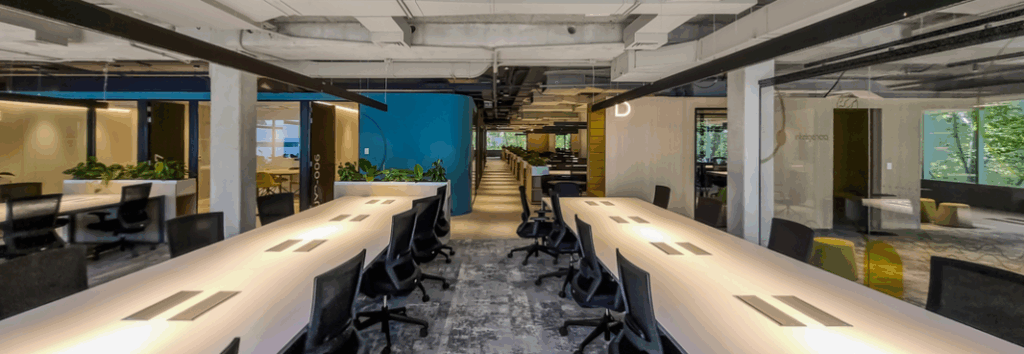
Picture this: your office is growing fast, departments keep shifting, and the layout you set last year is already outdated. That’s exactly where modular office furniture becomes a game changer. It gives companies the flexibility to scale, reorganize, and redesign without starting from scratch. In this guide, you’ll learn how modular systems work and how to choose the right setup for your space.
What Exactly Is Modular Office Furniture?
Modular office furniture refers to components—desks, partitions, panels, storage—that can be mixed, rearranged, expanded, or removed easily. Unlike fixed furniture, modular systems adapt to team changes, new hires, and workspace transformations without major renovations.
This includes:
Modular workstation solutions
Modular office cubicles
Modular desk systems
Collaborative modular setups
It’s a future-proof furniture solution that evolves with your business.
Benefits of Modular Office Furniture Systems for Modern Workplaces
1. Flexibility to Reconfigure
Need new seats for a new department? A modular setup makes the update quick and cost-effective.
2. Scalable for Growing Teams
You can add new components without replacing the entire system.
3. Better Space Optimization
Space-saving modular office furniture helps maximize square footage, especially in small offices.
4. Sustainable and Long-Lasting
Modular systems reduce waste, since companies keep reusing existing parts.
How to Design Effective Modular Office Furniture Layouts
Here’s a simple workflow to build smart and functional modular office furniture layouts:
| Step | What to Do | Benefit |
|---|---|---|
| 1 | Measure space and identify traffic flow | Avoid congestion |
| 2 | Define team work styles | Support collaboration or focus |
| 3 | Select modular workstation solutions | Ensure flexibility |
| 4 | Add partitions or acoustic panels | Improve privacy |
| 5 | Incorporate modular office storage systems | Reduce clutter |
| 6 | Plan expansion zones | Future-ready design |
Choosing Modular Workstation Solutions for Different Teams
Collaborative Teams
Modular collaborative workstations
Shared desk clusters
Open seating with mobile partitions
Focus-Driven Teams
Modular office cubicles
Acoustic modular partitions
Individual modular desk systems
Hybrid Teams
Hot-desking modules
Expandable workstations
Movable storage and charging hubs
This ensures every department gets a setup that matches their daily workflow.
Modular Office Desks, Partitions & Storage Options
Recommended Components:
| Component | Ideal For | Notes |
|---|---|---|
| Modular desks | Individual work | Adjustable legs & sizes |
| Partition panels | Privacy | Acoustic and mobile options |
| Modular storage | Small spaces | Vertical and mobile units |
| Modular open office workstations | Collaboration | Configurable layouts |
How to Select the Right Modular Office Furniture Manufacturer
Before choosing a supplier, check these criteria:
Customization options
Lead times and delivery capabilities
Warranty & after-sales support
Material quality
Pricing transparency
Availability of modular office desk systems, storage, and partitions
Pricing Guide: How Much Does Modular Office Furniture Cost?
Average Price Range
Basic modular desks: $200–$500 each
Modular office cubicles: $700–$1,500 per station
Storage units: $150–$600
Full systems: $5,000–$50,000+ depending on the office size
Costs vary by materials, customization, brand, and installation requirements.
Installation, Shipping, and Lead Time Considerations
Lead time: 3–8 weeks, depending on customization
Shipping: bulky freight shipping or white-glove delivery
Installation: can be DIY or professional setup
Most manufacturers offer modular installation guides or onsite assembly support.
FAQ Section:
What are the main advantages of modular office furniture systems?
Modular systems provide flexibility, easy scaling, and the ability to reconfigure layouts without downtime. They’re ideal for growing companies and hybrid work environments.
How long does modular office furniture installation take?
Most modular workstation solutions take 1–3 days to install depending on complexity and team size. Large installations may require onsite technicians.
Is modular office furniture suitable for small offices?
Absolutely. Modular office furniture for small spaces is designed to maximize efficiency with compact desks, integrated storage, and mobile partitions.
What’s the average lifespan of modular furniture?
High-quality modular office desks and storage systems typically last 8–15 years, especially when components can be replaced individually.
How do I choose the best modular office furniture manufacturer?
Look for customization options, strong warranties, quick lead times, and positive reviews. Verify whether they offer complete systems like modular open office workstation designs.
Are modular cubicles still popular?
Yes—modular office cubicles remain widely used for privacy and focus-driven teams, especially in finance, IT, and support centers.
What factors influence modular office furniture pricing?
Material quality, design complexity, brand, shipping method, and installation service all contribute to the final cost.
Conclusion
Modular office furniture is more than a trend—it’s a long-term investment in flexibility, efficiency, and scalability. Whether you’re designing a small startup space or rethinking your corporate layout, modular systems offer endless customization possibilities.
If you’re planning an upgrade, feel free to request a customized modular workstation layout or pricing estimate.