

- Written by: betty
- 0 Comments
- November 21, 2025
A patient’s first impression of your clinic often forms in the waiting room. Uncomfortable chairs, outdated décor, or poor layout can increase stress before the appointment even begins. With the right medical office waiting room furniture, you can create a calming, efficient, and patient-friendly space that reflects professionalism and care.
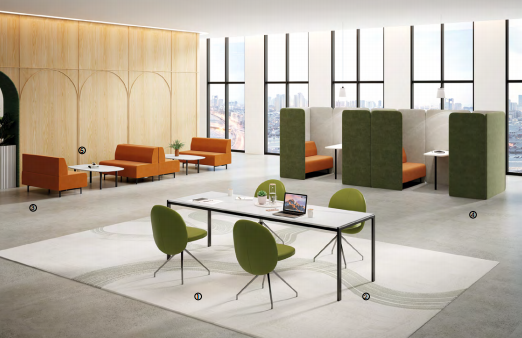
1. Understanding Patient Needs When Choosing Waiting Room Furniture
Patients value comfort, accessibility, and safety. Start by identifying seating preferences for different age groups, mobility levels, and visit durations.
Key considerations:
Ergonomic shapes
Supportive backrests
Bariatric seating options
Easy-to-clean materials
These factors help medical offices reduce discomfort and improve patient satisfaction.
2. Improve Patient Flow With Smart Layout Planning
A well-designed waiting room reduces congestion and improves privacy.
To optimize layout:
Space out chairs for personal comfort.
Separate sick and well-patient zones.
Keep walkways accessible for seniors and wheelchairs.
A simple layout guide like the one below can help:
| Area Type | Recommended Space | Purpose |
|---|---|---|
| Seating Zone | 15–20 sq ft per person | Comfort & distancing |
| Reception Area | 30–40 sq ft | Efficient check-in |
| Kids’ Corner | 20–30 sq ft | Family convenience |
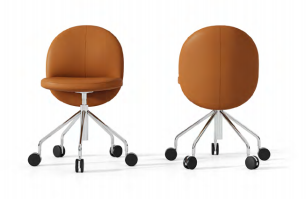
3. Best Materials for Medical Office Waiting Room Furniture
Healthcare furniture must withstand constant use and frequent cleaning. Consider these materials:
Antimicrobial vinyl – resists bacteria
Healthcare-grade polyurethane – durable & moisture-proof
Metal frames – long-lasting support
Laminate side tables – stain & scratch resistant
Choosing the right materials extends furniture lifespan and maintains a clean environment.
4. Enhance Comfort With Modern Seating Options
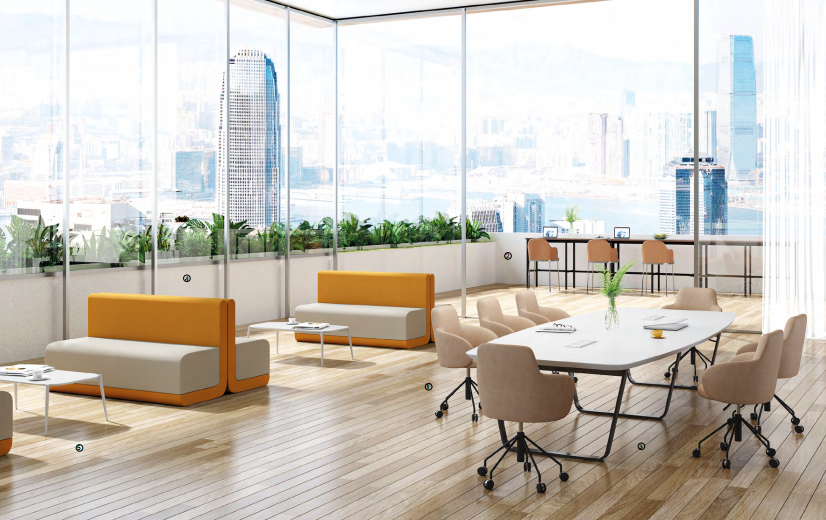
Modern waiting rooms use a mix of seating styles to support different needs. Popular options include:
Modular reception seating
Bariatric chairs
Lounge chairs with high backs
Connected beam seating
Adding soft cushions and supportive arms helps reduce anxiety during long wait times.
5. Using Colors & Décor to Create a Calming Atmosphere
The right design elements can make a big difference in patient perception.
Choose:
Neutral tones like beige, gray, or soft blues
Warm wood finishes
Gentle lighting
Minimalist décor
Avoid overly bright or bold patterns, which may feel chaotic.
6. Furniture That Supports Cleanliness & Infection Control
Medical office waiting room furniture must make cleaning easy. Look for:
Seamless surfaces
Removable cushions
Non-porous materials
Bleach-cleanable fabrics
These features speed up sanitization and improve patient safety—critical in today’s healthcare environment.
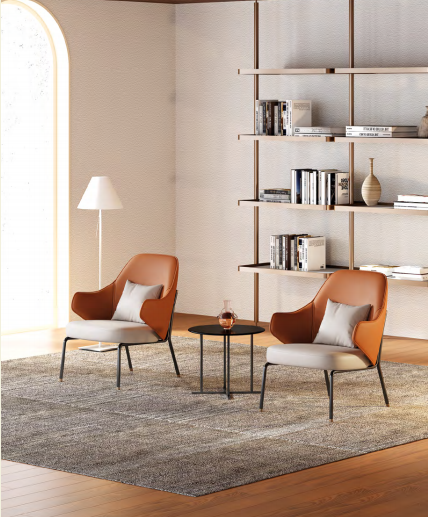
7. Add Specialized Furniture for a More Inclusive Waiting Room
Not all patients have the same needs. Consider these additions:
Bariatric chairs – higher weight capacity
Kid-friendly furniture – low seating, activity tables
Accessible seating – ample height & space for mobility challenges
Device-charging tables – reduce frustration during long waits
Inclusive waiting rooms show that your practice values all patients.
8. Budget-Friendly Options for Medical Waiting Room Furniture
Even small clinics can upgrade their space affordably.
Cost-saving strategies:
Mix premium and budget seating
Choose modular pieces that scale with your clinic
Buy from medical furniture wholesalers
Use durable materials to avoid frequent replacements
Smart planning helps maintain a polished look without overspending.
Conclusion
The right medical office waiting room furniture transforms patient experience, supports cleanliness, and enhances your clinic’s brand. By choosing durable materials, ergonomic seating, and a thoughtful layout, you can create a calming, professional environment that patients appreciate.
Get Limited-Time Offers
Don’t miss out! Check current discounts and seasonal promotions on cheap wholesale office furniture.
FAQ
1. What type of seating is best for medical office waiting rooms?
Healthcare waiting rooms benefit from ergonomic chairs with supportive backs, antimicrobial materials, and armrests for easy mobility. Modular seating is also popular for flexibility and space optimization.
2. How can I make my waiting room more comfortable for anxious patients?
Use soft lighting, neutral colors, and ergonomic seating. Adding privacy zones, plants, and entertainment options—like magazines or digital screens—helps reduce stress and improve experience.
3. What materials are easiest to sanitize in a medical waiting room?
Non-porous materials like antimicrobial vinyl, polyurethane, and laminate are ideal. They withstand daily cleaning with hospital-grade disinfectants without degrading.
4. How many chairs do I need in a medical office waiting room?
The rule of thumb is 1.5 seats per exam room. For example, a clinic with 6 exam rooms should provide around 9 waiting room seats. However, layout and patient volume may require adjustments.
5. How can I create a child-friendly waiting room area?
Add kid-sized chairs, a small table, soft toys, wall-mounted activities, and easy-to-sanitize materials. Position the area away from the main flow to reduce disruptions.
6. What features should bariatric seating include?
Look for heavy-duty frames, wider seat dimensions, reinforced legs, and weight capacities of 500 lbs or more. These ensure comfort and safety for patients of all sizes.
7. How do I keep my waiting room looking modern and professional?
Use coordinated furniture pieces, clean lines, modular seating, calming colors, and durable materials. Updating your décor seasonally or adding new accessories can also freshen the look without major costs.