

- Written by: betty
- 0 Comments
- November 7, 2025
Sustainable Office Furniture Wholesale: Eco-Friendly Solutions for Modern Workspaces
As businesses worldwide focus on ESG goals and carbon neutrality, demand for sustainable office furniture wholesale is surging. Companies now prioritize eco-friendly suppliers who use responsible materials and ethical production methods. This article explains how wholesalers can align with global green trends while boosting profits and credibility.

1. Why Sustainability Matters in Office Furniture
Sustainability has become a business necessity, not a luxury.
Key drivers:
Corporate sustainability policies (ESG/LEED)
Environmental compliance requirements
Consumer demand for green products
Cost savings through energy-efficient manufacturing
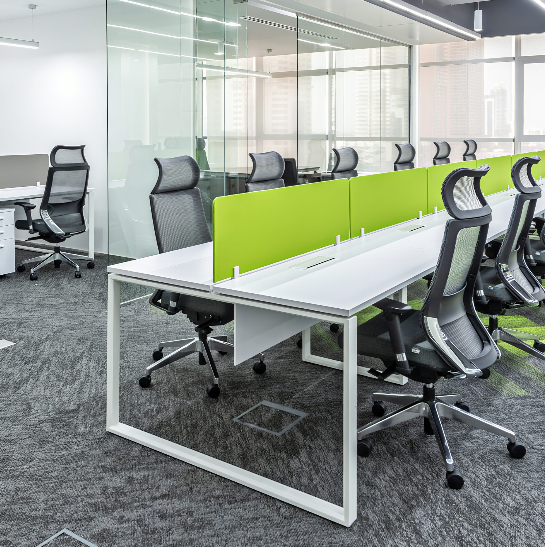
2. Core Principles of Sustainable Office Furniture
To qualify as sustainable, furniture must meet these key criteria:
| Principle | Description |
|---|---|
| Eco-Friendly Materials | Use of FSC wood, bamboo, or recycled metal |
| Low VOC Finishes | Non-toxic paints and adhesives |
| Durability & Longevity | Designs built for long-term use |
| Recyclability | Parts can be disassembled and reused |
| Ethical Production | Fair labor and environmentally responsible factories |
These principles form the foundation of green office furniture manufacturing.
3. Eco-Friendly Materials in Office Furniture
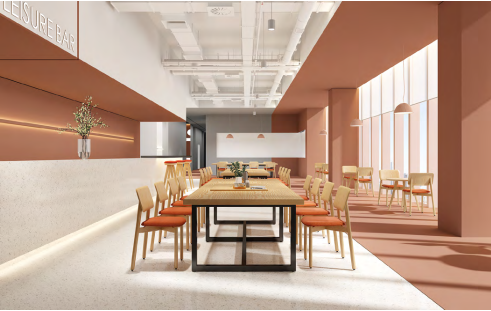
Leading factories now focus on renewable and recycled materials:
FSC-certified wood from responsibly managed forests
Recycled aluminum and steel for frames
Bamboo and rattan for lightweight strength
Recycled PET fabrics for upholstery
Powder-coated finishes instead of toxic paint
4. Energy-Efficient Manufacturing Processes
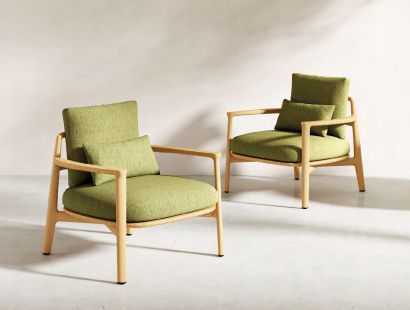
Sustainable manufacturing isn’t only about materials — it’s about reducing energy and waste.
Modern eco-friendly factories use:
Solar-powered production lines
Closed-loop water systems
Waste recycling and reuse programs
Energy-efficient CNC machinery
Buyers increasingly request data on carbon footprint per product, so partner with suppliers who track this transparently.
5. Certifications That Prove Sustainability
To attract eco-minded B2B clients, showcase products with credible certifications:
| Certification | Description |
|---|---|
| FSC | Verifies responsible wood sourcing |
| Greenguard | Confirms low chemical emissions |
| BIFMA LEVEL | Measures furniture sustainability performance |
| ISO 14001 | Environmental management compliance |
| LEED Credits | Supports building sustainability ratings |
6. Cost Benefits of Going Green
While sustainable materials may cost slightly more upfront, long-term savings are significant:
Longer product lifespan = fewer replacements
Higher resale or reuse value
Lower waste disposal costs
Access to government incentives or eco-grants
Wholesalers that align with green procurement programs gain both financial and reputational advantages.
7. Designing for Circular Economy
Circular design focuses on reuse and recycling.
Key strategies:
Use modular components for easy replacement
Design furniture for disassembly
Partner with recycling centers or refurbishers
Offer take-back programs for old office furniture

8. Marketing Sustainable Furniture Wholesale
To succeed in this niche, integrate sustainability into your marketing:
Highlight eco-certifications in product listings
Publish case studies on green workspace projects
Use content marketing to educate buyers on environmental impact
Participate in green trade fairs and exhibitions
Brands that position themselves as eco-leaders win trust and higher-value contracts.
9. Top Suppliers of Sustainable Office Furniture
Here are some reputable sources for sustainable furniture wholesale:
Sunon (China): BIFMA and Greenguard certified factory
Haworth (USA): LEED-compliant design solutions
Steelcase (Global): Circular economy initiatives
UB Office Systems (Malaysia): FSC-certified wood production
Okamura (Japan): Energy-efficient manufacturing
10. Future of Sustainable Furniture Wholesale
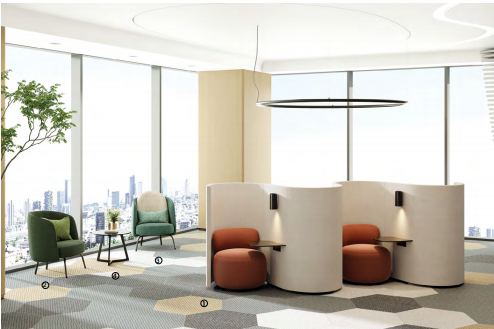
The market for green office furniture is expected to grow over 8% annually through 2030.
Emerging trends include:
AI-based supply chain optimization
Carbon-neutral manufacturing
Biophilic design integration (natural elements in offices)
Smart recycling partnerships
Conclusion
The shift toward sustainable office furniture wholesale reflects a larger movement toward responsible business practices. Wholesalers that prioritize eco-materials, certifications, and transparency not only support the planet but also secure a profitable position in the evolving B2B landscape.
Get a Free Consultation
Not sure where to start? Schedule a free consultation with our furniture experts and get a customized wholesale plan for your office setup.
FAQ
1. What makes office furniture “sustainable”?
It uses renewable materials, low-VOC finishes, and recyclable components, produced under environmentally responsible practices.
2. Are sustainable office furniture products more expensive?
Slightly, but they offer better durability and long-term value, reducing replacement and waste costs.
3. Which certifications should I look for in green office furniture?
Top certifications include FSC, Greenguard, BIFMA LEVEL, and ISO 14001.
4. Can wholesalers get eco-certification for their own brand?
Yes, many organizations allow wholesalers to certify their private label products if they follow approved manufacturing and sourcing standards.
5. Where can I source sustainable office furniture wholesale?
Platforms like Alibaba, Made-in-China, and Global Sources now feature dedicated eco-product categories with verified green suppliers.
6. How can I promote sustainable furniture to B2B clients?
Use content marketing, certifications, and case studies to demonstrate the value and environmental impact reduction.
7. What is the future of sustainable furniture wholesale?
Expect carbon-neutral production, modular design, and recyclable materials to become standard across the industry by 2030.