
- Written by: joley
- 0 Comments
- November 21, 2025
Table Furniture Office: How to Choose the Best Table for Any Workspace
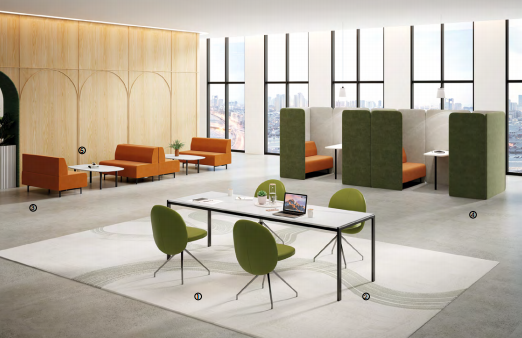
Choosing the right table furniture office setup can completely transform how you work. A well-designed office table affects your posture, productivity, collaboration, and even the atmosphere of your workspace. Whether you’re setting up a home office or furnishing a full corporate environment, understanding table types, materials, and ergonomic features will help you pick the perfect option.
What Is Office Table Furniture?
Office table furniture includes tables used in workspaces for individual tasks, meetings, collaboration, or storage. These tables are built to support daily work, digital devices, documents, and interaction between team members. Unlike traditional desks, tables typically offer open designs and versatile layouts.
How Office Tables Differ from Desks
A desk usually includes drawers and built-in storage, while an office table focuses on clear surfaces and flexibility. Tables are ideal for shared workstations, conference areas, and minimalist setups.
Why Tables Matter for Modern Offices
Open offices and hybrid work environments rely heavily on modular and collaborative office tables. They allow teams to move, reorganize, and expand without replacing entire furniture sets.
Types of Office Tables You Should Know
Different workplaces need different table solutions that match the tasks performed throughout the day.
Work Tables
Used for individual or shared desk setups, these tables support laptops, monitors, and daily essentials without the bulk of traditional desks.
Meeting Tables
Designed for small groups of 4–6 people, meeting tables help teams collaborate informally while maintaining a structured workflow.
Conference Tables
These tables accommodate larger groups and are often equipped with power outlets, cable channels, and executive-level finishes.
Collaborative Tables
Open-concept offices rely on these for brainstorming, group tasks, and flexible seating arrangements.
Height-Adjustable Tables
Sit-stand designs improve comfort, reduce fatigue, and promote healthier work habits.
Choosing the Right Office Table Size
Selecting the correct dimensions ensures comfortable movement, proper spacing, and efficient workflow.
Standard Office Table Dimensions
Common work table dimensions:
Width: 47″ to 71″
Depth: 24″ to 30″
Height: 28″ to 30″
Conference table seating requirements typically run 30″ per person.
How to Measure Your Space Correctly
Always leave 36″–48″ of clearance for chair movement and walking paths. For small offices, compact or L-shaped tables maximize efficiency without crowding the space.
Office Table Materials and Their Pros & Cons
Table material affects durability, appearance, and price.
Wood
Offers warmth, durability, and long-term value. Ideal for executive spaces.
Metal
Strong and minimalist, metal frames support heavier loads and modern designs.
Laminate
Affordable, versatile, scratch-resistant, and available in countless finishes.
Glass
Stylish and modern, but requires more maintenance and offers less privacy.
Ergonomic Features That Improve Comfort
Ergonomics help reduce fatigue and support healthier work habits throughout long shifts.
Height, Stability, Legroom
The ideal office table height is 28″–30″. Ensure enough leg clearance and sturdy construction that doesn’t wobble.
Cable Management and Desktop Space
Look for built-in grommets, trays, or channels to manage cords. A clutter-free table improves focus and productivity.
Office Table Designs for Productivity
The design impacts workflow as much as the materials.
Minimalist Designs
Clean lines reduce distractions and visually open small rooms.
Modular and Adjustable Tables
Perfect for fast-changing offices that rearrange teams frequently.
L-Shaped and U-Shaped Office Table Furniture
These maximize surface area for multitasking, dual monitors, and storage without taking excessive space.
Planning Your Office Table Layout
Smart layout planning ensures comfort, mobility, and smooth workflow.
Positioning Tables for Workflow
Place tables near outlets, windows, and shared equipment to improve workplace efficiency.
Safety Clearances and Movement Flow
Maintain open pathways to avoid congestion and ensure quick access to exits and shared spaces.
Maintenance Tips for Office Tables
Proper care keeps your table furniture office looking new longer.
Cleaning by Material Type
Wood: use oil-based cleaners
Glass: microfiber + ammonia-free spray
Laminate: mild soap + warm water
Preventing Long-Term Wear and Tear
Use coasters, cable trays, and desk mats to prevent scratches and heat damage.
What size office table is best for a small workspace?
For small offices, choose work tables between 40″–55″ wide, ensuring at least 36″ of clearance for movement. This aligns with common recommendations in the office table size guide category.
What material is most durable for office tables?
Laminate and metal offer the best durability at lower cost, while wood provides premium longevity. Reviewing durable office table materials helps match durability with budget.
What’s the difference between an office table and an office desk?
A desk includes storage like drawers, while an office table provides an open surface. This difference affects how you choose office table types for your workspace.
How do I choose a conference table?
Measure room size, seating needs, and consider powered cable management. Look for conference table options that match your meeting style.
Are height-adjustable office tables worth it?
Yes — they reduce fatigue, improve posture, and support healthier work rhythms. Many adjustable office table benefits apply to both home and corporate offices.
How do I plan my office layout?
Start with measurements, walkway clearance, and power access. Check office table layout planning tips to ensure smooth team flow.
Which office table design boosts productivity?
Minimalist and modular tables encourage focus and reduce clutter. Many professionals prefer modern office table designs for this reason.
Conclusion:
The right table furniture office setup can significantly improve the comfort, efficiency, and style of your workspace. By understanding table types, materials, sizes, and ergonomic features, you’ll be able to build a workspace that supports productivity every day.
If you’re ready to upgrade your office, explore more guides or request expert recommendations to find the perfect table for your needs.