
- Written by: joley
- 0 Comments
- November 22, 2025
Therapy Office Furniture: How to Create a Calming, Welcoming Space for Clients
Why Therapy Office Furniture Matters More Than Most People Think
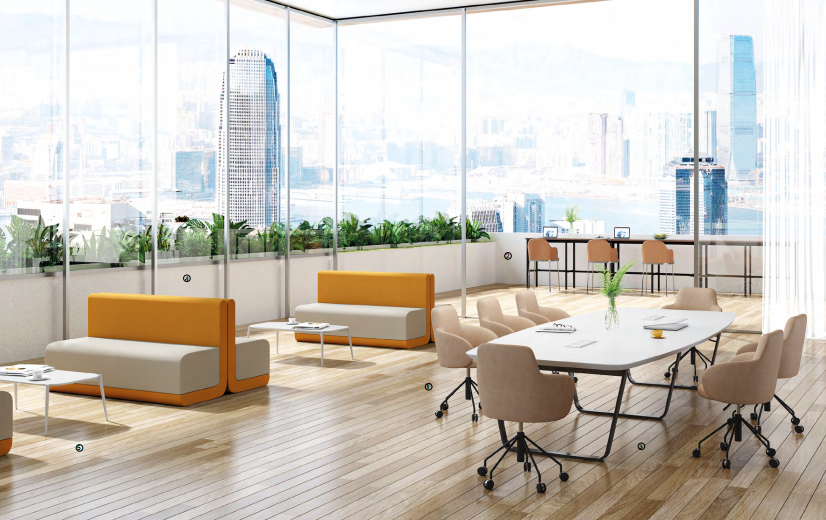
Therapy office furniture influences the emotional tone of the room. Comfortable seating, warm colors, soft materials, and thoughtful layouts can lower anxiety and help clients open up more easily. Because therapy is deeply personal, every detail—from chair height to texture—can impact the experience.
Essential Therapy Office Seating: Therapist vs. Client Chairs
Therapist Chair Requirements
Therapists need ergonomic chairs that support long hours of sitting without causing back or neck strain. Ergonomic therapist chairs with adjustable height, lumbar support, and smooth mobility help maintain posture throughout the day.
Client Seating for Trust & Comfort
Client chairs should feel more like living room seating than corporate office chairs. Comfortable chairs for therapy rooms should offer soft cushions, supportive armrests, and a neutral style that conveys warmth and safety. Avoid seating that feels too firm, too small, or overly structured.
Choosing the Right Furniture Style for Different Types of Therapy
Talk Therapy Spaces
Talk therapy rooms benefit from calming therapy office furniture styles such as earth-toned sofas, upholstered chairs, side tables, and soft rugs. These elements create a home-like environment that reduces tension.
Child Therapy Rooms
Child therapy spaces require kid-friendly furniture, playful colors, and durable materials. Items like washable play rugs, low storage, and beanbag seating help children feel comfortable and free to express themselves.
Trauma-Informed Environments
Trauma-informed therapy office furniture should focus on grounding colors, soft textures, and non-threatening layouts. Avoid harsh lighting and sharp edges. Weighted blankets, textured pillows, and stable furniture give a sense of security.
The Role of Colors, Textures & Materials in a Therapy Office
Color and texture can affect mood, emotional openness, and comfort. Soft neutral tones (beige, sage green, warm gray) help clients remain emotionally balanced. Natural materials like wood, cotton, and linen create a sense of warmth and safety. Avoid overly bright colors or cold materials that feel sterile.
Storage, Layout & Space Planning for Therapy Rooms
Storage Options for a Clutter-Free Environment
Clutter can make clients feel overwhelmed, so hidden storage is essential. Therapy office storage cabinet ideas include low-profile cabinets, basket organizers, and sideboard drawers. A clean space encourages emotional clarity.
Small Space Therapy Office Furniture Solutions
Small therapy rooms can still feel spacious with minimal, multi-purpose furniture. A two-chair setup, floating shelves, compact desks, and foldable items help maintain openness without sacrificing function.
Lighting & Accessories That Complement Therapy Office Furniture
Soft lighting plays a critical role in therapy settings. Lamps with warm bulbs, diffusers, and indirect lighting help soften the atmosphere. Accessories like cozy blankets, plants, artwork, and side tables enhance comfort without creating distractions.
FAQ:
1. What type of furniture is best for a therapy office?
Furniture that is calming, comfortable, and home-like works best. Look for items like upholstered chairs, soft rugs, neutral colors, and warm lighting.
2. How do I choose therapy office seating?
Choose comfortable chairs for therapy rooms that offer soft support, armrests, and a stable base. Therapist chairs should be ergonomic and adjustable.
3. What colors are best for therapy office furniture?
Soft neutrals like beige, sage, and gray help reduce anxiety and create a soothing environment. Avoid neon or high-contrast colors.
4. How can I furnish a small therapy office?
Use compact seating, wall-mounted shelves, light furniture, and multi-purpose pieces to keep the space open and functional.
5. Do therapy rooms need matching furniture?
Not necessarily. A mix of warm, cohesive pieces can feel more natural and inviting than a perfectly matched set.
6. How should I design furniture for trauma-informed therapy rooms?
Choose grounding colors, stable seating, soft textures, and avoid harsh lighting or sharp edges.
7. What lighting works best in therapy offices?
Warm, soft, indirect lighting helps create a peaceful atmosphere that complements calming therapy office furniture.
Conclusion:
Therapy office furniture should make clients feel grounded, safe, and comfortable from the moment they walk in. By choosing the right seating, colors, materials, and layout, you can transform any therapy space into a warm sanctuary that encourages healing. If you’d like, I can help you design a full therapy office layout or create a furniture checklist tailored to your space—just let me know.